
Case Study: Previous HDMI Repair Damaged Pads and Traces
A real Replay ElectronX case showing why previous HDMI repair damage can turn a normal port replacement into motherboard trace reconstruction.
Case summary
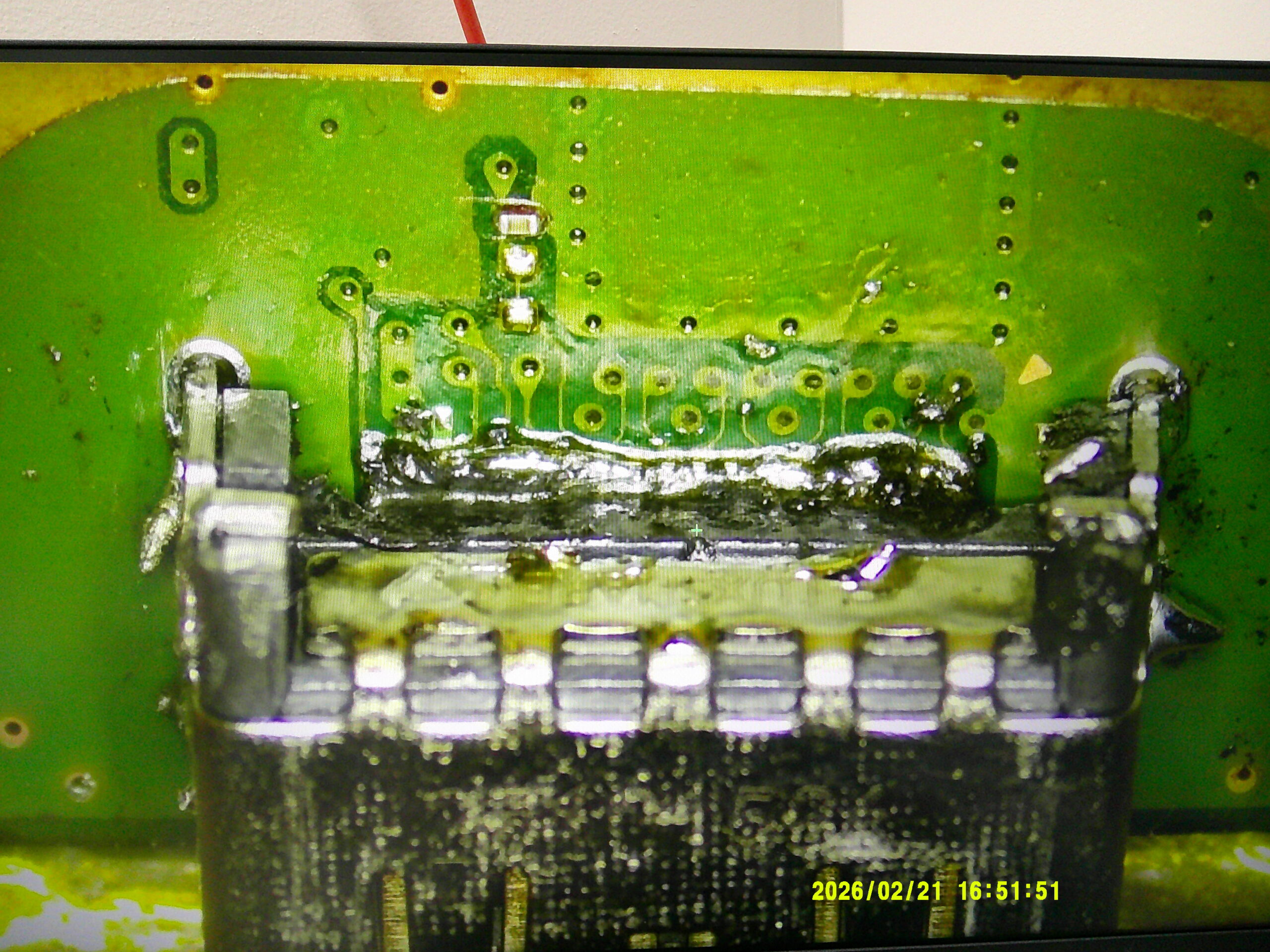
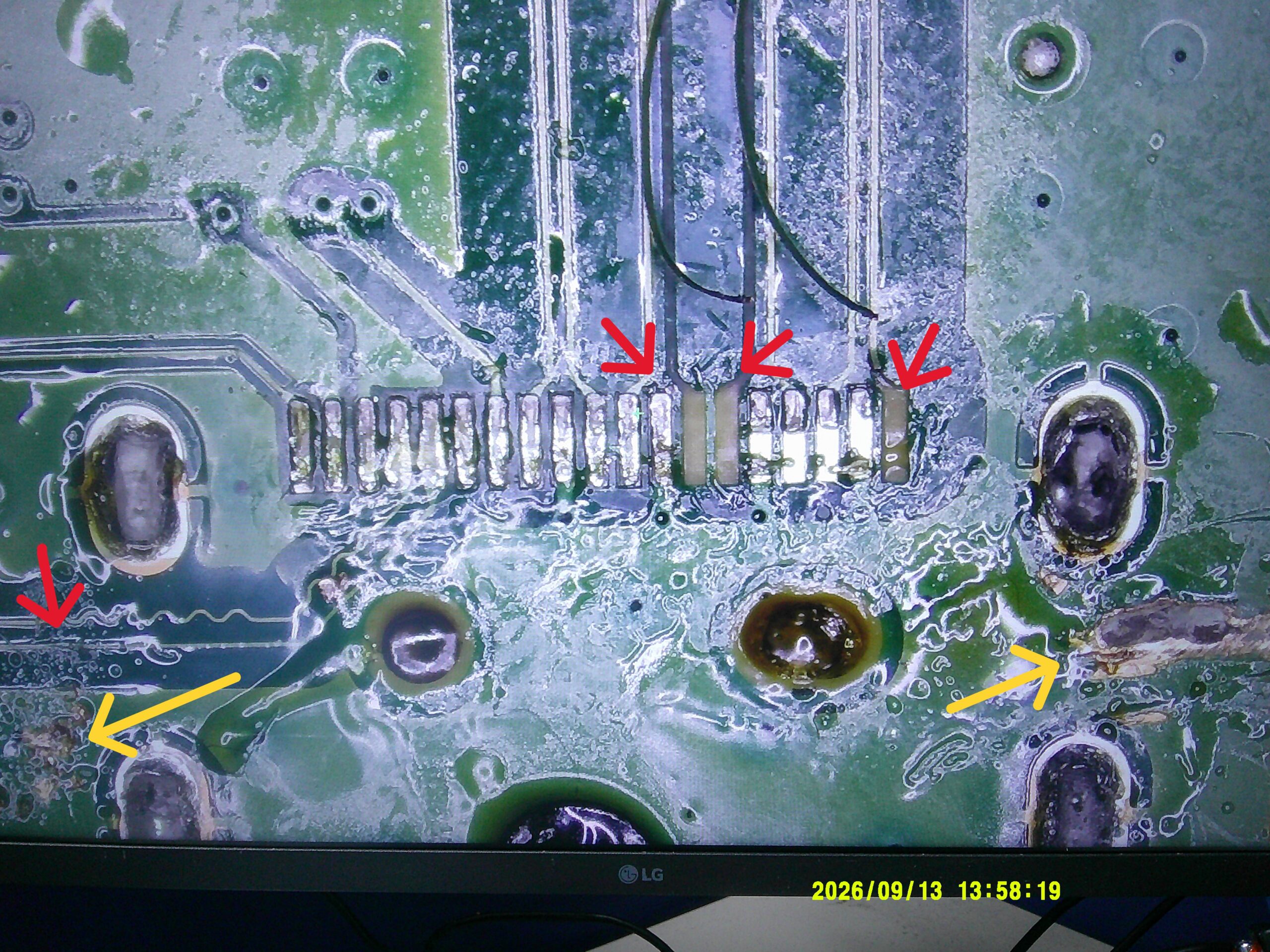
Inspection found clear evidence of an unsuccessful prior HDMI repair. Of the HDMI connection points, three pads and four traces had been torn or broken at the motherboard. A conventional port replacement alone could not recreate connections that were no longer physically present.
What we found
The connector area had damage beyond the removable HDMI port. Multiple PCB connection points had been torn away, requiring reconstruction rather than ordinary soldering to intact pads.
What was done
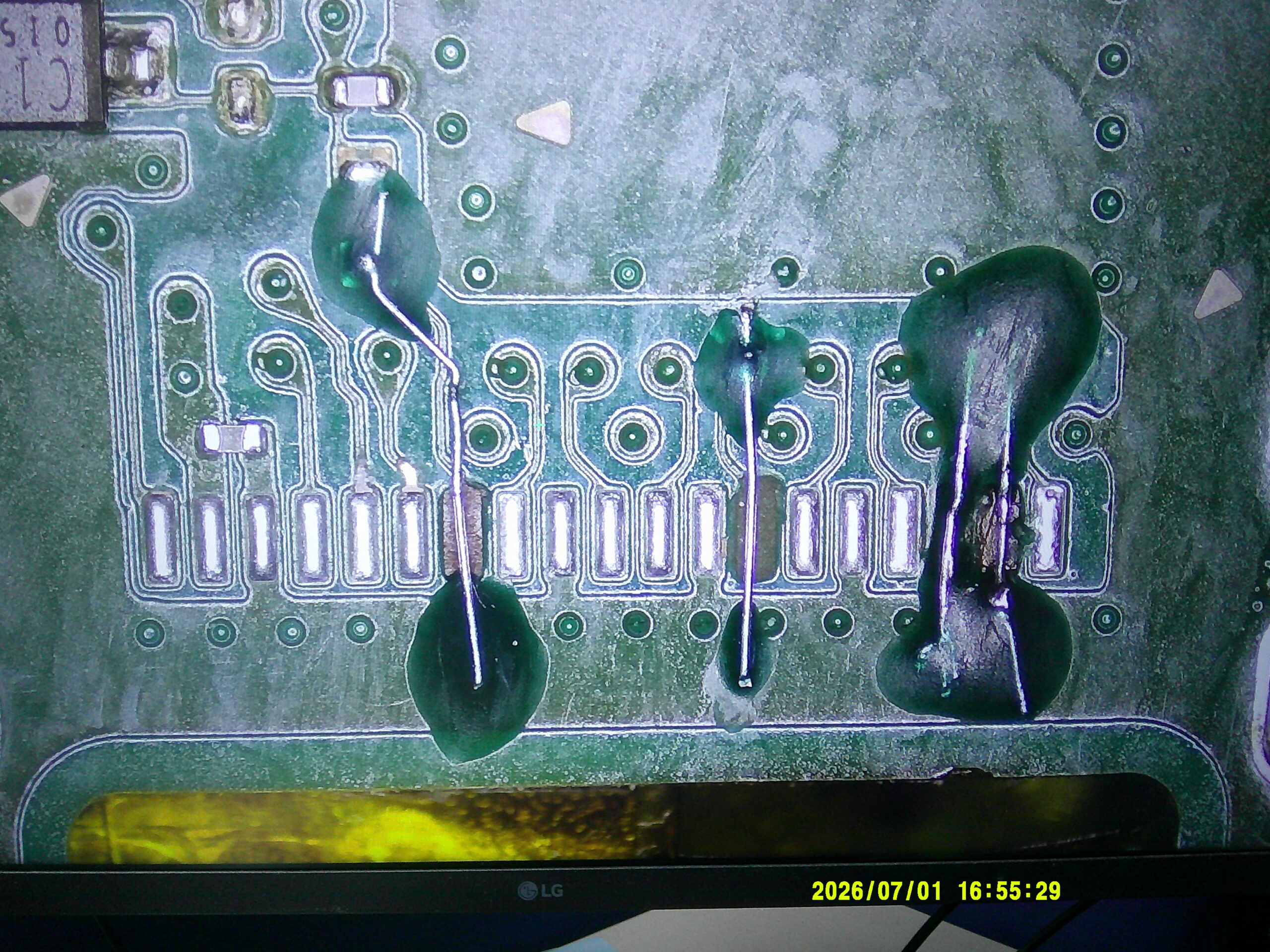
The affected signal connections were rebuilt using direct connections to restore the required electrical paths. The HDMI port was installed and video output was manually verified. The exposed repair area was then protected to reduce incidental short-circuit risk.
Result and limitation
Video output was restored, but because the motherboard had already sustained significant damage from the previous attempt, the repair was treated as a one-time board reconstruction rather than a normal HDMI repair with the usual warranty expectations.
What this case teaches
A broken HDMI port and a damaged HDMI motherboard are not the same repair. When pads or traces are missing, the job becomes PCB reconstruction and the extent of prior damage matters as much as the replacement connector.
